


Beginner's Guide to Understanding Mask Fit Testing
- Nivi Watson

- Mar 13
- 6 min read
Have you ever wondered whether your workplace respirator actually protects you properly? Do you know if the mask you're wearing creates a proper seal against your face? And here's the big one—could your respiratory protection be giving you a false sense of security?
These questions matter more than you might think. Mask fit testing is a critical step in workplace safety that many people overlook or don't fully understand. It's not just about having a respirator; it's about making sure that respirator works for your unique face. After all, we're all built differently, and what works perfectly for your colleague might leave dangerous gaps when you wear it.
In this guide, we'll break down everything you need to know about mask fit testing Sydney. You'll learn what it involves, why it's essential for Australian workplaces, who needs it, and what happens during the actual test. We'll also cover common reasons people fail fit tests and how to choose a reliable provider. By the end, you'll have a clear understanding of this vital safety measure and feel confident taking the next steps towards compliance.

What Is Mask Fit Testing?
The Basic Definition Explained Simply
Mask fit testing is a procedure that checks whether a specific respirator creates a proper seal against your face. Think of it as a quality check for your respiratory protection. The test confirms that the mask you've been assigned actually fits you correctly and will protect you from airborne hazards.
It's worth noting that fit testing isn't a one-size-fits-all approach. Each person needs to be tested individually because facial features vary enormously. Your nose shape, jawline, cheekbones, and even skin type all affect how well a respirator seals against your face.
How Does Mask Fit Testing Work?
During a fit test, you'll wear your assigned respirator while performing various movements and exercises. These might include bending over, talking, turning your head side to side, and breathing normally. The tester assesses whether the seal remains intact throughout these activities.
The goal is to simulate real-world conditions. After all, you won't be standing perfectly still while wearing your respirator at work. You'll be moving, communicating with colleagues, and performing your regular duties.
Qualitative vs Quantitative Fit Testing: What's the Difference?
There are two main types of fit testing. Qualitative testing relies on your sense of taste or smell. A test agent—usually a sweet or bitter solution—is sprayed around the mask. If you can taste or smell it, the seal has failed.
Quantitative testing, on the other hand, uses specialised equipment to measure any leakage numerically. This method provides a precise "fit factor" and is considered more objective. Both methods are valid, though quantitative testing is often preferred for higher-risk environments.
Why Is Mask Fit Testing Important?
Protecting Workers from Airborne Hazards
The primary purpose of fit testing is worker protection. Airborne hazards—whether dust, fumes, gases, or infectious particles—can cause serious health problems. These range from respiratory diseases to long-term conditions like silicosis or occupational asthma.
A respirator that doesn't seal properly is essentially useless. Even small gaps can allow hazardous particles to bypass the filter entirely. Fit testing confirms that your protection actually works.
Meeting Australian Workplace Health and Safety Requirements
In Australia, workplace health and safety regulations require employers to provide appropriate respiratory protection. Safe Work Australia guidelines specify that fit testing should be conducted to verify respirator effectiveness.
Failing to comply can result in penalties and, more importantly, puts workers at risk. Regular fit testing demonstrates due diligence and helps organisations meet their legal obligations.
What Happens If You Don't Do Fit Testing?
Without fit testing, you're essentially guessing whether respiratory protection works. Workers may develop health issues from exposure they believed they were protected against. Employers face potential litigation, compensation claims, and regulatory action.
Beyond legal consequences, there's the human cost. No one wants to see a colleague develop a preventable illness. Fit testing is a straightforward way to verify protection and provide peace of mind.

Who Needs Mask Fit Testing?
Industries That Require Respiratory Protection
Many Australian industries require workers to wear respirators. These include:
- Construction and mining
- Healthcare settings
- Manufacturing and processing
- Agriculture and pest control
- Emergency services
- Laboratory environments
Anywhere workers might encounter harmful airborne substances, respiratory protection—and therefore fit testing—becomes relevant.
Do All Employees Need to Be Fit Tested?
Not every employee requires fit testing. Only those who need to wear tight-fitting respirators as part of their role must be tested. This includes disposable P2/N95 masks, half-face respirators, and full-face respirators.
Workers who use loose-fitting respiratory protection, such as powered air-purifying respirators with hoods, typically don't need fit testing. The key factor is whether the device relies on a facial seal for protection.
When Should Fit Testing Be Repeated?
Fit testing isn't a one-time event. It should be repeated whenever there are significant changes. This includes:
- Switching to a different respirator brand or model
- Significant weight gain or loss
- Dental work that changes facial structure
- Facial surgery or injury
- If the worker reports discomfort or suspects poor fit
Annual retesting is generally recommended as good practice, even without obvious changes.
Types of Respirators That Require Fit Testing
Disposable P2/N95 Respirators
These single-use masks are common in healthcare and many industrial settings. Despite being disposable, they absolutely require fit testing. Many people assume these masks work simply by putting them on, but fit varies significantly between individuals and brands.
Reusable Half-Face and Full-Face Respirators
These more robust respirators also require fit testing. Half-face respirators cover your nose and mouth, while full-face versions provide eye protection too. Both rely on a tight facial seal and must be properly fitted to each user.
Do Surgical Masks Need Fit Testing?
Here's an important distinction: surgical masks don't require fit testing. They're designed to protect others from the wearer's respiratory droplets rather than providing respiratory protection to the wearer. They don't create a seal and aren't classified as respirators.
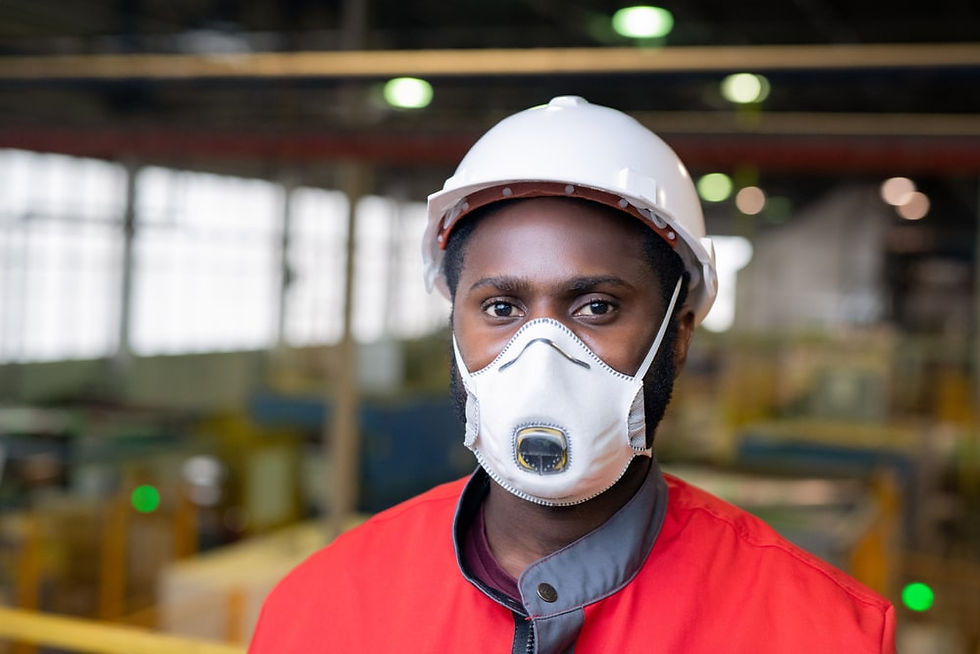
The Mask Fit Testing Process: Step by Step
Preparing for Your Fit Test
Before your test, there are several things to keep in mind. Avoid eating, drinking (except water), or smoking for at least 30 minutes beforehand. These activities can affect your taste sensitivity if you're having a qualitative test.
Arrive clean-shaven if you're a man—facial hair significantly affects mask seal. Bring any glasses or safety eyewear you normally wear with your respirator, as these can impact fit.
What to Expect During the Test
The tester will first conduct a medical screening to confirm you can safely wear a respirator. You'll then be shown how to properly don your mask and perform a user seal check.
For the actual test, you'll complete various exercises while wearing your respirator. These typically include normal breathing, deep breathing, turning your head, nodding, talking, and bending over. The tester will assess seal integrity throughout.
How Long Does a Fit Test Take?
A typical fit test takes around 15-20 minutes per person. However, if you fail with your first respirator, testing additional models takes extra time. Plan for potential delays, especially if multiple employees are being tested on the same day.
Common Reasons for Fit Test Failures
Facial Hair and Fit Testing
Facial hair is the number one cause of fit test failures. Even a day's stubble can prevent proper sealing. If your role requires respiratory protection, maintaining a clean-shaven appearance in the mask-sealing area is essential.
Incorrect Respirator Size or Style
Not every respirator suits every face. Some people have narrow faces that suit smaller masks, while others need larger sizes. Different brands also have varying shapes and profiles. Finding the right match sometimes requires trying multiple options.
Can Glasses Affect Mask Fit?
Yes, glasses can interfere with full-face respirators in particular. The frames may prevent proper sealing around your temples. Prescription inserts designed for use with respirators are available as an alternative.
How Often Should Mask Fit Testing Be Done?
As a general guideline, annual fit testing is recommended. However, retesting should occur whenever circumstances change significantly. This includes new respirator models, physical changes to the wearer's face, or if protection concerns arise.
Some high-risk industries may require more frequent testing. Always check specific regulatory requirements for your sector and consult with your safety officer.
Choosing a Mask Fit Testing Provider in Australia
What to Look for in a Qualified Provider
Choose a provider with accredited testers and proper equipment. They should follow Australian Standards and be able to test the specific respirator types you use. Ask about their experience with your industry and request references if needed.
On-Site vs Off-Site Fit Testing Services
On-site testing is often more convenient for businesses with multiple employees. The provider comes to your workplace, minimising disruption. Off-site testing at the provider's facility works well for smaller teams or individual tests.
Taking the Next Steps Towards Compliance
Understanding mask fit testing is the first step towards proper respiratory protection in your workplace. We've covered what fit testing involves, why it matters for Australian businesses, and how the process works. You now know who needs testing, which respirators require it, and what causes common failures.
The key takeaway? A respirator is only as good as its fit. Without proper testing, you simply cannot guarantee protection. Fit testing removes the guesswork and provides documented evidence that your respiratory protection programme actually works.
Ready to take action? Start by reviewing your current respiratory protection practices. Identify which employees require fit testing and check when they were last tested. Then, reach out to a qualified provider to arrange testing. Your workers' health—and your compliance obligations—depend on getting this right. Don't leave respiratory protection to chance when a simple test can provide certainty.


Comments