


Best Materials for Bathroom Waterproofing: Your Complete Guide to Protecting Your Wet Areas
- Nivi Watson

- Jul 13
- 6 min read
Have you ever walked into your bathroom and noticed a musty smell that just won't shift? Or perhaps you've spotted mysterious dark patches creeping across your ceiling from the bathroom above? What if your beautiful new renovation started showing signs of water damage within just a few months?
These scenarios are more common than you'd think, and they all point to one culprit: inadequate waterproofing. Getting the right materials for your bathroom waterproofing isn't just about ticking a box during renovations—it's about protecting your home from costly structural damage, mould growth, and health hazards. In Australia, where building standards are strict for good reason, choosing the best waterproofing materials can mean the difference between a bathroom that lasts decades and one that becomes a money pit.
In this guide, we'll explore everything you need to know about bathroom waterproofing materials. From liquid membranes to sheet options, cementitious coatings to polyurethane solutions, we'll break down what works best for different situations. You'll learn about costs, installation methods, and how to avoid common mistakes that could void your warranty or breach Australian Standards. Whether you're planning a DIY project or hiring professionals, this information will help you make smart decisions for your home.
Why Bathroom Waterproofing Matters
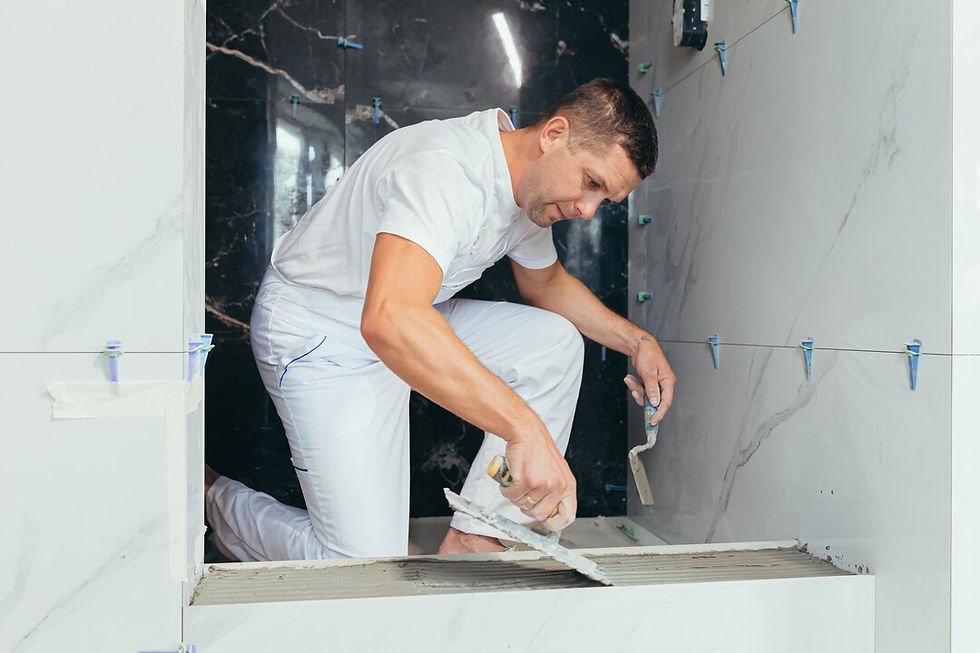
The hidden costs of poor waterproofing extend far beyond what meets the eye. Water damage from a failed membrane can seep into timber framing, causing rot that compromises your home's structural integrity. Mould growth behind tiles creates health risks, particularly for family members with respiratory conditions. Plus, fixing water damage typically costs three to five times more than doing the waterproofing properly in the first place.
Australian building standards, particularly AS 3740, set clear requirements for wet area waterproofing. These regulations aren't optional suggestions—they're legal requirements that affect insurance claims, resale value, and building certifications. Non-compliant waterproofing can result in failed inspections and costly rectification work.
Understanding Waterproof Membranes and Barriers
Waterproofing works by creating a continuous barrier that prevents water from penetrating through to the building structure beneath. Think of it like a second skin for your bathroom—one that repels moisture while still allowing the structure to breathe. The science involves creating either a physical barrier or a chemical treatment that water simply cannot pass through.
Modern waterproofing membranes bond directly to substrates like concrete, cement render, or fibre cement sheeting. They create a seamless coating that directs water toward drainage points rather than allowing it to soak into porous materials. The effectiveness depends entirely on proper application and choosing materials suited to your specific bathroom conditions.
Types of Waterproofing Materials for Bathrooms
Liquid Membrane Waterproofing
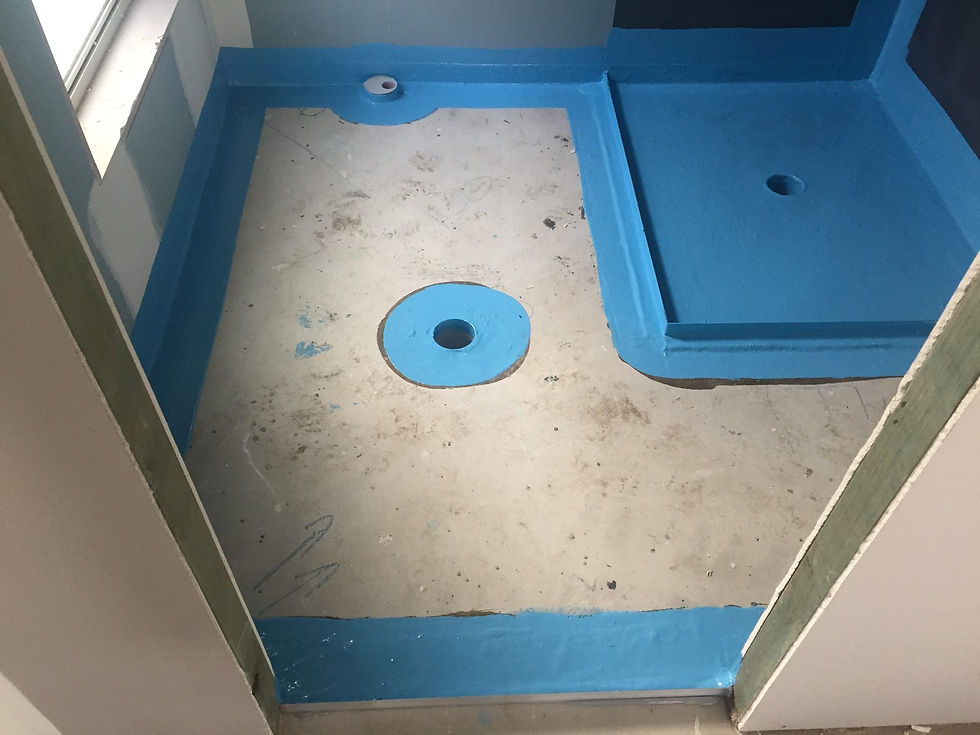
Liquid membranes are among the most popular choices for Australian bathrooms. These products come as thick liquids that you paint or roll onto surfaces, where they cure to form a flexible, seamless barrier. Application typically involves two or more coats, with each coat applied at right angles to the previous one.
The main advantage? Liquid membranes conform perfectly to complex shapes, corners, and around pipe penetrations. They're ideal for shower recesses, bathroom floors, and wall areas that need protection from splashing water.
Sheet Membrane Waterproofing
Sheet membranes offer a different approach. These pre-formed materials come in rolls and are bonded to surfaces using adhesives or heat welding. They provide consistent thickness across the entire application, which some professionals prefer for large floor areas.
When comparing sheet membranes to liquid options, consider that sheets work best on flat, even surfaces. They're trickier around corners and penetrations, where additional detailing with liquid products or tape is often required.
Cementitious Waterproofing
Cementitious waterproofing uses cement-based products mixed with special additives. The main pros include excellent adhesion to concrete and masonry, plus relatively straightforward application. However, these products can be less flexible than other options, making them susceptible to cracking if the building moves or settles.
For bathroom applications, cementitious products work well as a base coat or in areas with minimal movement. They're often more affordable than other options but may require additional flexible coatings in high-stress areas.
Polyurethane Waterproofing
Polyurethane waterproofing stands out for its exceptional durability and flexibility. These products can stretch and move with the building without cracking, making them ideal for bathrooms in newer homes that might still be settling. They're also resistant to chemicals found in cleaning products.
The flexibility benefits mean polyurethane membranes perform brilliantly in shower bases and areas prone to slight movement. They're pricier than some alternatives but often prove more cost-effective long-term.
Bituminous Waterproofing
Is bitumen suitable for indoor bathrooms? While bituminous products excel in external waterproofing applications, they're generally not the first choice for internal wet areas. The strong odour and potential for off-gassing make them less ideal for enclosed spaces. Most Australian professionals opt for purpose-designed bathroom waterproofing products instead.
What Is the Best Waterproofing for a Bathroom?
Comparing performance across different materials reveals that no single product suits every situation. Liquid membranes offer versatility, while sheet membranes provide consistency. Polyurethane delivers flexibility, and cementitious options offer affordability.
Factors that influence material selection include:
- Your bathroom's substrate type
- Expected movement or settling
- Budget constraints
- Whether you're doing DIY or hiring professionals
- Climate conditions in your area
How Long Does Bathroom Waterproofing Last?
Quality waterproofing should last the lifetime of your tiles—typically 15 to 25 years when properly installed. Different materials have varying lifespans: polyurethane and high-quality liquid membranes often outperform cheaper alternatives.
Watch for signs your waterproofing needs replacing. These include persistent musty odours, staining on ceilings below bathrooms, loose tiles, or visible mould growth. If you notice any of these, it's worth investigating sooner rather than later.
Can You Waterproof Over Existing Tiles?
Waterproofing over existing tiles is possible in some situations. Products specifically designed for this purpose can bond to glazed tile surfaces, creating a new waterproof layer without the mess and expense of tile removal.
However, re-tiling is the better option when:
- Existing tiles are damaged or loose
- You suspect moisture damage beneath
- The current waterproofing has clearly failed
- You want to change your bathroom's look anyway
DIY vs Professional Bathroom Waterproofing
What can you legally do yourself? In most Australian states, homeowners can apply waterproofing membranes themselves. However, the work must still comply with Australian Standards, and you'll need a licensed professional to certify the installation before tiling can proceed.
Risks of DIY waterproofing gone wrong include:
- Failed building inspections
- Voided home insurance
- Costly rectification work
- Water damage to your home
- Reduced property value
What Areas of the Bathroom Need Waterproofing?
Shower recesses and wet zones require the most attention. Australian Standards mandate waterproofing to specific heights on walls and across entire shower floor areas. Floors, walls, and junction points where different surfaces meet all need careful treatment.
Around fixtures and penetrations—taps, showerheads, drains, and toilet outlets—require additional detailing. These are common failure points where water can sneak behind membranes if not properly sealed.
Common Bathroom Waterproofing Mistakes to Avoid
Poor surface preparation tops the list. Membranes won't bond properly to dusty, oily, or uneven surfaces. Taking time to clean, prime, and prepare substrates makes all the difference.
Incorrect membrane application—including insufficient thickness, missed areas, or inadequate curing time between coats—leads to premature failure. Always follow manufacturer instructions precisely.
Ignoring Australian Standards isn't worth the risk. These requirements exist because they work, and cutting corners inevitably costs more in the long run.
How to Choose the Right Waterproofing Material
Assessing your bathroom's specific needs starts with understanding your substrate, expected use, and any movement concerns. Climate considerations matter too—homes in humid Queensland face different challenges than those in temperate Victoria.
Matching materials to your budget and timeline requires balancing upfront costs against long-term performance. Spending slightly more on quality products often saves money over your bathroom's lifetime.
Protecting Your Bathroom Investment: Final Thoughts
Choosing the best materials for bathroom waterproofing comes down to understanding your specific situation and matching it with appropriate products. Quality liquid membranes suit most applications, while polyurethane options provide extra durability where flexibility matters. Whatever you choose, proper preparation and application are just as important as the product itself.
The key takeaways for homeowners are straightforward: don't skimp on waterproofing materials, follow Australian Standards, and consider professional installation for peace of mind. Your bathroom represents a significant investment, and protecting it properly makes sound financial sense.
Ready to start your waterproofing project? Begin by assessing your bathroom's current condition, researching local professionals if needed, and selecting materials appropriate for your circumstances. Your future self will thank you for taking the time to do it right.


Comments