


Create a Future-Ready Workspace with Expert Office Refurbishment
- zoehsewell
- 1 day ago
- 5 min read

Have you ever walked into a workplace and immediately sensed its vibe-whether it was inspiring or outdated? Your office isn't just a backdrop; it's a shaper of productivity, culture, and even business success. And when that workplace starts to feel worn down, inefficient, or disconnected from your brand, a strategic office refurbishment will resuscitate every nook of your organisation.
In today's fast-moving business world, it is necessary for companies to continue evolving. Office refurbishment is no longer about beautification; it's all about creating a flexible, technology-driven, and employee-centric workspace. This guide breaks down everything you need to know: when your office needs a refresh, how much you can expect to invest, essential design elements, and how to maximise your ROI.
What Exactly is Office Refurbishment?
First, before delving deep, it's necessary to understand what office refurbishment actually means and what it doesn't.
Refurbishment versus Renovation: Know the Difference
The refurbishment of an office is based on the improvement, updating, and enhancing of an existing workspace without having to make any major structural changes.
It can include:
New furniture
Updated layouts
Better lighting
Modern finishes
Technology upgrades
Office renovation, on the other hand, deals with structural changes such as building new walls, moving plumbing, rewiring electrical systems, or complete redesigns. Renovations take more time, permits, and budget.
Most businesses find that office refurbishment gives a powerful transformation without the expense and downtime of full renovations.
Top Signs Your Workspace Requires Office Refurbishment
Your office might be silently telling you it's time for change. Here are the key indicators:
1. Declining Employee Satisfaction
If the staff comment that the workspace feels outdated, uncomfortable, or inefficient, that is a major warning sign. Retention drops if the environment fails to offer support for productivity and well-being.
2. Visible Wear and Tear
Worn-out carpets, broken furniture, cracked walls, and outdated technology make the workplace feel neglected. This affects morale and provides a very poor impression for clients.
3. Poor Layout and Inefficient Space Use
If meeting rooms are always full, collaborative spaces are lacking, or employees crowd in some areas but avoid others, then the layout is working against your team. Office refurbishment helps realign the space with how people actually work.
4. Lagging Technology
Poor WiFi, a lack of charging points, or outdated conferencing facilities are holding back collaboration efforts and hybrid ways of working.
5. Brand Misalignment
It's time to update the office when it no longer reflects your brand identity, values, or growth vision.
Must-Haves in a Future-Ready Office Refurbishment
The modern office needs to support technology, flexibility, wellbeing, and innovation. Here's what every future-focused workplace needs:
1. Technology-First Infrastructure
High-speed WiFi
Wireless charging points
Video conferencing tools
Smart meeting rooms
Integrated AV systems
Technology defines how teams collaborate, and therefore it should form the backbone of any office refurbishment plan.
2. Flexible and Modular Layouts
Adaptable workplaces enhance efficiency and support diverse work approaches. Include:
Quiet focus zones
Breakout collaboration spaces
Phone booths
Hot-desking zones
Movable partitions
3. Wellbeing-Driven Design
Health-oriented design implies higher productivity and less absenteeism.
Natural light
Indoor plants (biophilic design)
Ergonomic furniture
Sound-absorbing panels
Sit-stand desks
4. Sustainability Features
More companies seek greener office refurbishment, including:
LED Lighting
Recycled materials
Energy-efficient systems
Water-conserving devices
Sustainability not only helps the environment, but it also reduces long-term energy costs.
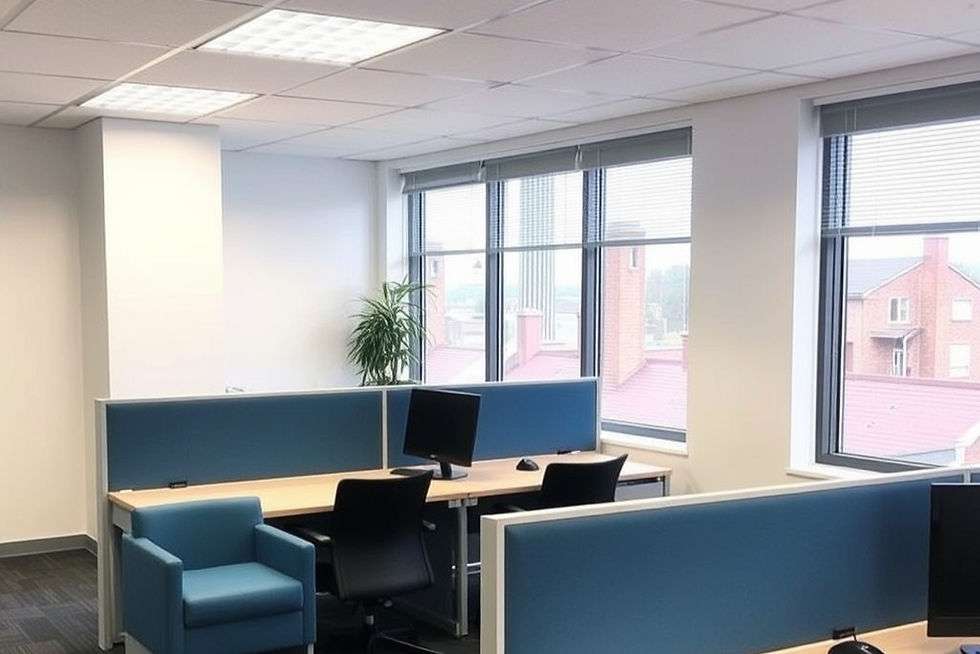
Office Refurbishment Process-How It Works
Understanding the journey ensures smoother execution from concept to completion.
1. Consultation & Space Assessment
Specialists consider:
Current layout
Infrastructure limitations
Functional needs
Company culture
Brand elements
This stage will shape the strategy for your office refurbishment.
2. Design & Planning Phase
You'll get:
Floor plans
3D renderings
Colour palettes
Material samples
Budget breakdowns
Adjustments are made until the vision perfectly aligns with your goals.
3. Compliance & Documentation
Professionals handle:
Building permits
Safety compliance
Coordination with building management
4. Fit-out Execution
Refurbishment work is generally done in phases to minimize disruption. The project manager monitors timelines, contractors, and quality control.
5. Final Inspection & Handover
Once done, the team sees to it that your new workplace has met all the specifications. Beyond that, now is the time for your team to move in and enjoy the transformation.
How long does office refurbishment take?
Timelines vary based on complexity:
Small office (under 200 m²): 2–3 weeks
Medium office: 200–500 m², 4–8 weeks
Office space over 1000 m²: 10–12 weeks
Phased refurbishments help minimize downtime, enabling your business to remain open for the entire duration of the project.
Choosing the Right Office Refurbishment Partner
Your selected team is crucial to the whole project's success. Be on the lookout for:
1. Experience in Your Industry
Different workplaces have different needs, and what works for a tech company is not likely to suit a legal firm.
2. Proven Portfolio & Client Feedback
Case studies show real results and credibility.
3. Clear Communication
Your perfect match should:
Provide clear timelines
Explain costs upfront
Share potential challenges
Listen to your goals
4. Proper Licensing & Insurance
Ensure the company adheres to all Australian building and safety standards.
Maximising ROI through strategic office refurbishment
The right refurbishment can deliver significant returns. Here’s how to maximise value:
Invest in high-impact areas.
Lights Upgrade
Ergonomic workstations
Acoustic improvements
Tech-enabled meeting rooms
These enhancements immediately improve performance.

Choose Durable, Long-Lasting Materials
Quality finishes reduce maintenance costs long-term.
Design for Future Growth
Flexible layouts mean space that grows with your business, avoiding multiple refurbishments.
Tracking Workplace Metrics
Employee productivity
Prospective client impressions
Staff retention
Energy usage
The numbers often prove the value of professional office refurbishment.
Common Office Refurbishment Mistakes to Avoid
Even well-intentioned projects can stumble. Watch out for:
1. Prioritising Aesthetics Over Function
Great designs are trendy-but usability has to come first.
2. Snuffing Employee Feedback
Your team knows the space best. Include them early on to encourage acceptance.
3. Poor Project Management
This often leads to DIY coordination:
Delays
Budget blowouts
Miscommunication
Compliance issues
Managing professionally is important.
4. Lack of Contingency Budget
Always add 10–15% to the plan for any unexpected surprises.
Conclusion
If you've read this far, you're ready to take the next step toward the creation of a workspace that will enhance morale, productivity, and business performance. The well-executed office refurbishment doesn't just change the way your office looks; it changes how the whole organisation works. With the right planning and expert support, you can create a future-ready workspace that attracts talent, impresses clients, and strengthens your brand. Look around at your current space today: What is wrong with it? What could be better? Your new, dynamic, and inspirational office environment may just be a refurbishment away from becoming reality.



Comments